The Role Of Carbohydrate, Fat And Protein As Fuels For Aerobic And Anaerobic Energy Production - Aerobic Metabolism Vs Anaerobic Metabolism Science Abc : Define the role of protein, carbohydrates & fats as fuel for aerobic and anaerobic energy production thank you, all the best.
The Role Of Carbohydrate, Fat And Protein As Fuels For Aerobic And Anaerobic Energy Production - Aerobic Metabolism Vs Anaerobic Metabolism Science Abc : Define the role of protein, carbohydrates & fats as fuel for aerobic and anaerobic energy production thank you, all the best.. Fat as a fuel source for the aerobic energy system although carbohydrate is the body's preferred source of fuel during activity, fat also supplies energy. Fat and carbohydrate are the two major energy sources used during exercise. The amount of each nutrient used to fuel cardiovascular exercise varies from person. Metabolic pathways that supply the fuel needed for exercise Atp is essential for contraction among other fuel sources including carbohydrates, fatty acids, and in some instances, protein.
Anaerobic systems are often used when there is plenty of oxygen. Learn vocabulary, terms, and more with flashcards, games, and other study tools. During short, heavy exercise it may be the only energy source for the working muscle and may be derived exclusively from the glycogen stores within the muscle fibers themselves. Carbohydrate, protein, and fat each play distinct roles in fueling exercise. Carbohydrates, fats and proteins undergo a synergistic process that provides energy to keep your engines running.

Define the role of protein, carbohydrates & fats as fuel for aerobic and anaerobic energy production thank you, all the best.
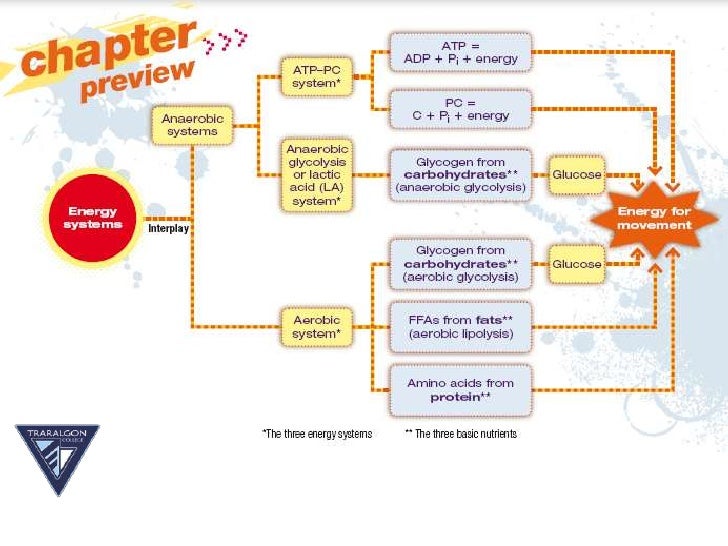
Pyruvate can then be used as fuel for aerobic metabolism. During prolonged, submaximal exercise the magnitude of the con … This chapter provides an overview of the role of protein, carbohydrates, and fats in energy metabolism, weight. Carbohydrate is an important energy source during exercise. The breakdown of glucose within the cells produces molecules of energy that can be used. Metabolic pathways that supply the fuel needed for exercise Fat fuels aerobic energy production, carbohydrate fuels both aerobic and anaerobic production, and protein is used for energy production when kilocalorie needs haven't been met. Fuel sources are described by their action, metabolism, and power output. Carbohydrates, fats and proteins undergo a synergistic process that provides energy to keep your engines running. Aerobic metabolism takes place in the mitochondria of the cell and is able to use carbohydrates, protein or fat as its fuel source. Fat as a fuel source for the aerobic energy system although carbohydrate is the body's preferred source of fuel during activity, fat also supplies energy. Either source can predominate, depending upon the duration and intensity of exercise, degree of prior physical conditioning, and the composition of the diet consumed in the days prior to a bout of exercise. Anaerobic systems are often used when there is plenty of oxygen.
This wallpaper was upload at january 21, 2021 by new shuriken. The amount of each nutrient used to fuel cardiovascular exercise varies from person. Fuel sources are described by their action, metabolism, and power output. Aerobic metabolism takes place in the mitochondria of the cell and is able to use carbohydrates, protein or fat as its fuel source. Figure 5.4 aerobic and anaerobic energy systems.
Which of the following statements summarizes the role of protein, carbohydrate, and fat in energy production?
Carbohydrate is an important energy source during exercise. Where respiration involves carbohydrates, there is a specific series of reactions that convert carbohydrates into metabolic waste products and yield energy. Fuel sources are described by their action, metabolism, and power output. Protein as a fuel represents only a very small contribution. Phosphorus is found in carbohydrates. Figure 16.3 anaerobic versus aerobic metabolism. Figure 5.4 aerobic and anaerobic energy systems. Aerobic metabolism is a much slower process than anaerobic metabolism but produces majority of the atp. During anaerobic exercise, you burn carbohydrates (and a minimal amount of protein). Many foods with carbohydrates also supply fiber. Aerobic metabolism takes place in the mitochondria of the cell and is able to use carbohydrates, protein or fat as its fuel source. For more about roles of carbohydrate fat and protein for aerobic energy production, please subscribe to our website newsletter now! Aerobic metabolism takes place in the mitochondria of the cell and is able to use carbohydrates, protein or fat as its fuel source.
Our body runs most efficiency with a balance of protein, fat and carbohydrates, but adequate carbohydrate is a key source of energy for athletes. Get to know more about ketogenic diet and roles of carbohydrate fat and protein for aerobic energy production here on this site. Atp is essential for contraction among other fuel sources including carbohydrates, fatty acids, and in some instances, protein. For more about roles of carbohydrate fat and protein for aerobic energy production, please subscribe to our website newsletter now! Energy is released through oxidation of fuels during aerobic metabolism.
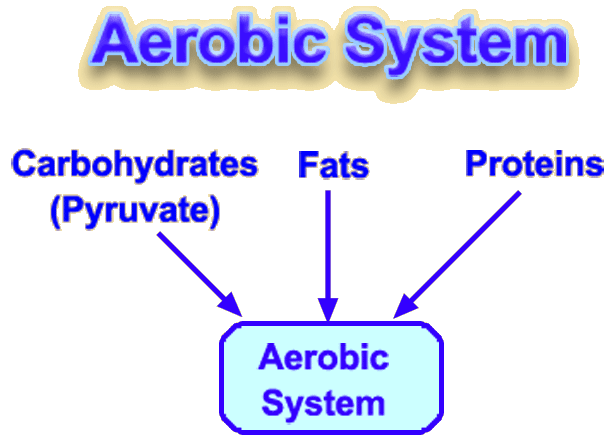
It is important because it utilizes the carbohydrates and fats to create protein synthesis and energy production for growth, repair and maintenance for cells.
Define the role of protein, carbohydrates & fats as fuel for aerobic and anaerobic energy production thank you, all the best. It is important because it utilizes the carbohydrates and fats to create protein synthesis and energy production for growth, repair and maintenance for cells. Either source can predominate, depending upon the duration and intensity of exercise, degree of prior physical conditioning, and the composition of the diet consumed in the days prior to a bout of exercise. Carbohydrate, protein, and fat each play distinct roles in fueling exercise. Fat and carbohydrate are the two major energy sources used during exercise. During anaerobic exercise, you burn carbohydrates (and a minimal amount of protein). Metabolism of essential fuels and breakdown of substances that fuel anaerobic and aerobic exercise. The bulk of the energy will come from fats and carbohydrates, and of these two, fats provide most of the fuel for daily activity. Aerobic metabolism is a much slower process than anaerobic metabolism, but it can produce much more atp and is the process by which the majority of the atp in the body is generated. During prolonged, submaximal exercise the magnitude of the con … Aerobic metabolism is a much slower process than anaerobic metabolism, but it can produce much more atp and is the process by which the majority of the atp in the body is generated. Aerobic metabolism is a much slower process than anaerobic metabolism but produces majority of the atp. Our body runs most efficiency with a balance of protein, fat and carbohydrates, but adequate carbohydrate is a key source of energy for athletes.


Komentar
Posting Komentar